Hyderabad’s journey to becoming an affluent metropolis of innovations in biotechnology and healthcare hasn’t happened overnight. The city has already set up its infrastructure for precision medicine that boasts established, well-known research institutes; top-class hospitals; certified laboratories; communication with and nurturing from government policy measures.
Flying through the recent resolution announcements, the ambitious and aggressive Telangana leadership is fast-tracking investments and innovations in life sciences along with its approach towards large-scale attractions of research and manufacturing in the emerging paradigms of cell therapies, gene editing, and biologics. In this perspective, Hyderabad will build on its competitive advantages and move towards being an attractive city for global life-science hub cities.
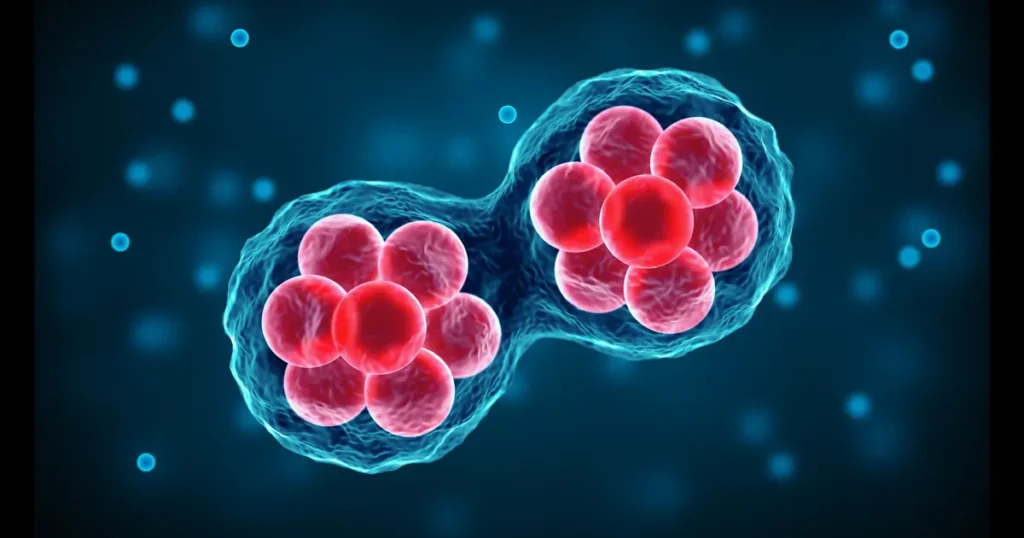
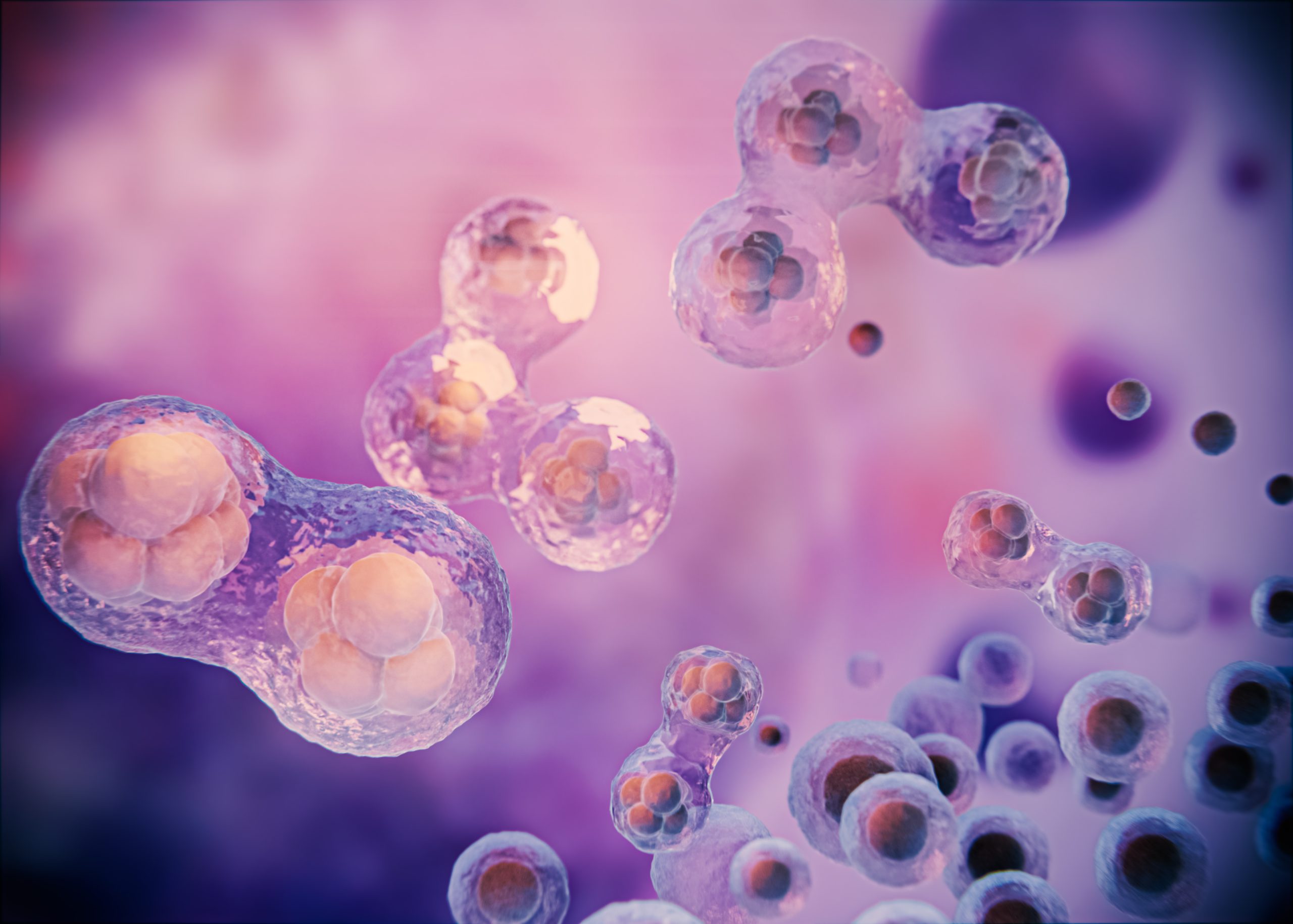
The notice of local scientific advancement. Dedicated research scientists in Hyderabad are apprehending mechanisms that may one day help tissue repair and regeneration at the cellular level-these are the kinds of discoveries we call regenerative medicine stories.
Stem cell services are growing into increasingly credible and available options for families and the doctors in this lively battlefield.
Transcell Biosciences — addressing today’s needs for tomorrow’s therapies
Transcell is one of the few organizations that would define the future of stem cells in Hyderabad. It is a biopharma that shares both clinical service and scientific advancement. Originally, Transcell was known as Transcell Biolife and later developed into a full-fledged biotech enterprise. It has a unique combination of stem cell banking and an active research facility developing hops for clinical translation.
What Today Transcell Does For
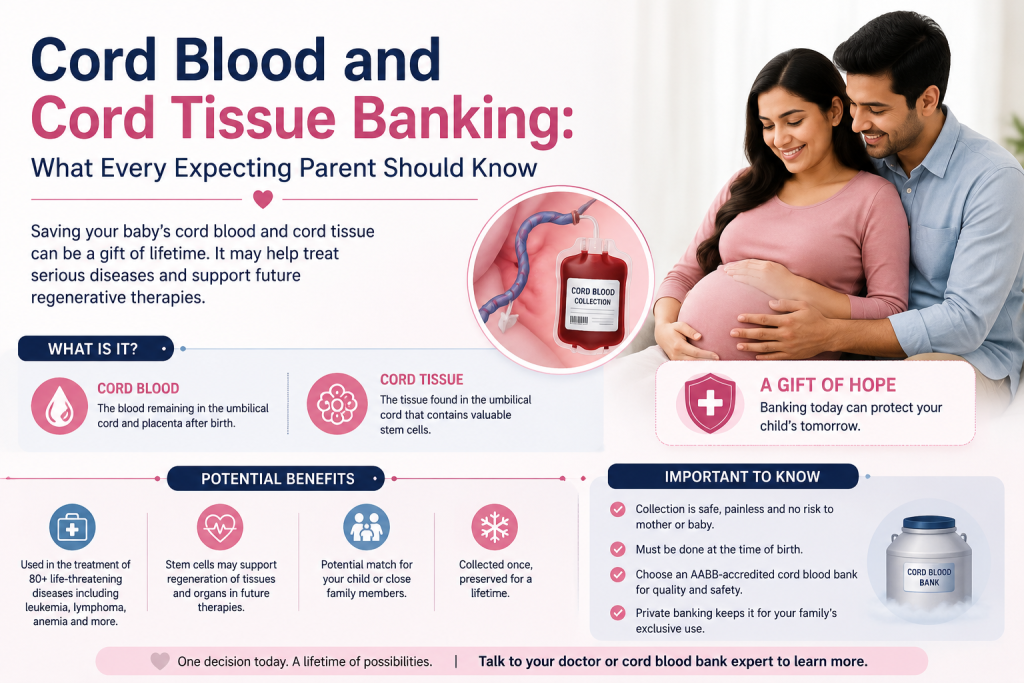
Transcell Life Sciences is concerned with stem cell banking, particularly banking blood and umbilical cord tissue for families to use as a type of biological insurance for possible future life-saving application. Stem cells taken from cord blood are rich in hematopoietic (blood-forming) cells. At present, over 80 conditions are treated with them. Many more applications in this direction are in development.
Their facility operates using advanced cryopreservation technology, system-based quality controls, and full regulatory compliance, ensuring that stem cells are preserved in a viable and safe state for decades. This long-term storage means today’s binding decision at birth could very well turn out to be a life-defining one down the road.
Beyond Banking: A Research-Heavy Vision
Transcell goes beyond what most stem cell banks do that focus on pure gathering and storing services. It is a practicing proponent of applied research and development that aims at the therapeutic applications of the stored cells. Its strategic initiatives involve setting up clinically graded cell repositories and data platforms that highly connect with regenerative medicine and drug development and precision medicine.
Such a research orientation warrants that Transcell claims not just custodianship over biological materials but enables future cures whereby stored stem cells may be used for treating conditions that are still the subject of ongoing clinical trial evaluation.
Why This Matters To Patients and Families
Transcell assures people that saving stem cells is really for the future health options that may possibly become mainstream in the next decade. Given the intensity with which the biotech industry is growing in India and Hyderabad being a fertile ground for innovations in clinical sciences, such stored stem cells may one future-day,
contribute to advanced regenerative therapy of a neurological or metabolic ailment.
benefit from personalized medical assessment and intervention/
afford options less toxic, but much more recuperative than the standard type treatments.
Hence, an increasing number of specialists define stem cell preservation as biological insurance safeguardings health in an age when precision and regenerative medicine are at their forefront.
Challenges and the Road Ahead
Most of the time, these are encouraging, though challenges are many. Stringent regulation exists about the use of stem cells for therapy, and many of the treatments are still in clinical trials. People need to be educated about realistic expectations and limitations in therapeutic effects or possible uses of science. Educating families about the clinical and scientific process is still also a major area requiring further development. With increasing competition in stem cell services, importance is also giving more clarity and high scientific credibility to what they offer. Such is the case for Transcell being chosen among those providers.
Conclusion-A Future Defined by Regenerative Possibilities
Hyderabad is paving an exciting way in stem cell science. Supportive policies, strong scientific culture, breakthrough research, and visionary companies like Transcell Biosciences are putting the city in a forefront position to guide India into the regenerative medicine revolution.
Once futuristic and experimental, stem cell treatment is increasingly finding acceptance in mainstream medicine, thus raising hopes for personalized medicine, effective, and sustainable. The consideration of stem cell banking and regenerative studies stands out as a possible avenue for families and patients to pursue in laying the path for tomorrow’s cure.