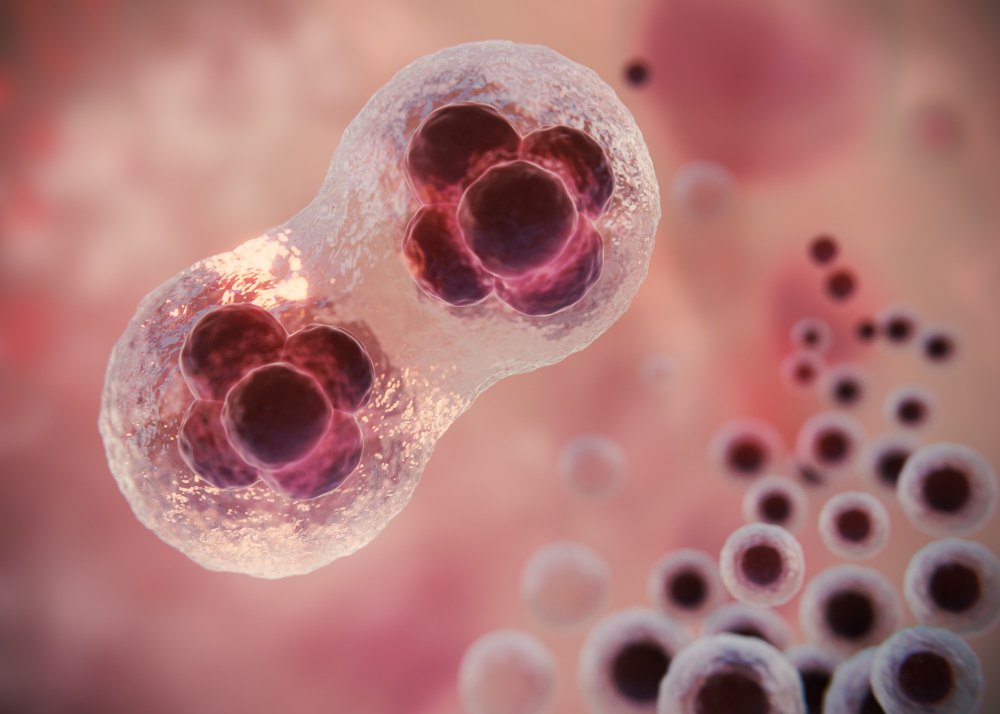
The umbilical cord blood stem cell treatment in Hyderabad is taking the spotlight in many families that have recently turned their eyes to the advanced, long-standing medical options they have for the body and therapy potential to offer. And cord blood does come with fast development in regenerative medicine, and it is now one of the most treasured biological resources that any family may preserve as once considered medical waste. The demand for cord blood banking and stem cell treatments keeps growing steadily in a city known for health care excellence.
Cord blood is the blood collected from the umbilical cord immediately after birth, with a high amount of hematopoietic stem cells responsible for blood and immune cells and used in the treatment of a wide range of diseases such as types of cancer, blood disorders, immune deficiencies, and metabolic diseases. This has gained popularity among expecting parents because it is a safe, non-invasive, and painless collection process which is also painless and has no harm to either the mother or the baby.
Hyderabad has grown into a rapidly evolving medical advancement hub in India. With its superior and world-class hospitals, trained specialists, and strong biomedical infrastructure, Hyderabad is the preferred destination for families looking for cord blood stem cell treatment in Hyderabad. Also, increased public awareness regarding the importance of stem cell preservation has led many parents to then explore their options while pregnant.
However, the greatest advantages of cord blood stem cells are many. They have a proven high rate of compatibility and these stem cells usually don’t get rejected, so they are suitable for the child and perhaps even for siblings or parents. In families where there is a history of genetic or blood disorders, the preservation of cord blood will be a very clever strategic medical choice. Doctors in Hyderabad typically consult expectant parents to start because it is early in pregnancy—not to postpone or delay understanding what stem cell banking is, but to have those well-informed decisions by the time of delivery.
There are more than 80 diseases now treated by cord blood stem cell therapy, such as leukemia and lymphoma or thalassemia, aplastic anemia, and immune disorders. The research focuses on the ongoing studies in Hyderabad and around the globe, investigating what other conditions could benefit from the use of stem cells, including autism, cerebral palsy, and type 1 diabetes. Not all of those currently have completely developed treatments, but the upside is tremendous and new clinical trials continue to show promise.
Hyderabad stands apart by virtue of both advanced medical technology and value for money. Families can access cutting-edge facilities without all of the high expense normally linked to international treatments. Awareness programs for expecting parents are also frequently conducted by Hyderabad’s healthcare specialists, where they discuss the science behind cord blood stem cells, how these are collected, storage options, long-term benefits, and treatment possibilities.
The process of cord blood collection is quite simple. After delivery, the umbilical cord is clamped and cut. The remaining blood in the umbilical cord is drawn into a sterile bag attached to the collection kit. This sample is sent to a stem cell banking facility for testing, further processing, and freezing at ultra-low temperatures to preserve stem cells in a viable state for potential use years later. Many parents find comfort in knowing that they have secured a biological resource that may one day save their child’s life.
It is crucial, however, that parents know the advantages and disadvantages of what cord blood stem cell treatment can and cannot deliver. Most hospitals in Hyderabad have been very clear about this. They explain the fact that not all illness will stop after using stem cells. “Parents should consider this as a long-term investment-no guaranteed solution, but rather a strong backup,” say doctors.
Today, the awareness level par with the cord blood banking in Hyderabad is much greater. This includes advanced stem cell laboratories nearby, trained professionals who successfully guided them through every step of the way-the hospitals that are capable of storing and providing treatments in the future. There are now many expecting parents in the city who discuss cord blood preservation several months before the date of delivery making cord blood preservation part of their birth plans.
That is one of the current trends which has grown in Hyderabad: interest in future regenerative treatments for stem cell therapy. Medical science is rapidly evolving, and scientists at some point would be able to use stem cells to repair damaged tissues, recover organs, and treat diseases that are currently regarded as untreatable. Therefore, considering the fact that Hyderabad has a very strong biotechnology ecosystem, the city is expected to play a major role in future breakthroughs.
Parents report the peace that storing cord blood gives them. Knowing you have something so valuable stored for your child will put the mind at rest. It gives a sense of preparedness. There’s quiet assurance that if life ever gives unexpected medical challenges, you already have a powerful resource at hand.
In fact, cord blood stem cell treatment in Hyderabad is indeed more than just a passing medical trend: it is one of the many substantive choices being made by families today in preparation for future health security. Advanced medical infrastructure, expert specialists, and an ever-increasing awareness have placed Hyderabad firmly on the map as a leading destination in stem cell preservation and treatment. Future advancements in medicine will continue to be shaped by cord blood: and the families who choose to store it today are likely to be the ones benefiting most from medical breakthroughs made possible tomorrow.