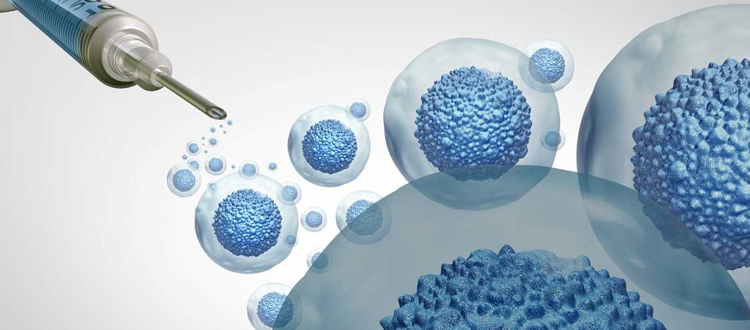
Cord blood chemotherapy for other stem cell treatments is quickly becoming one of the most promising recent technological advancements in medicine. Hyderabad has emerged as a leading place for such treatments with its world-class hospitals, top-notch laboratories, and plethora of medical experts. These provinces allow for families to have the best of medical care solutions, reaching further into the realm of regenerative sciences.
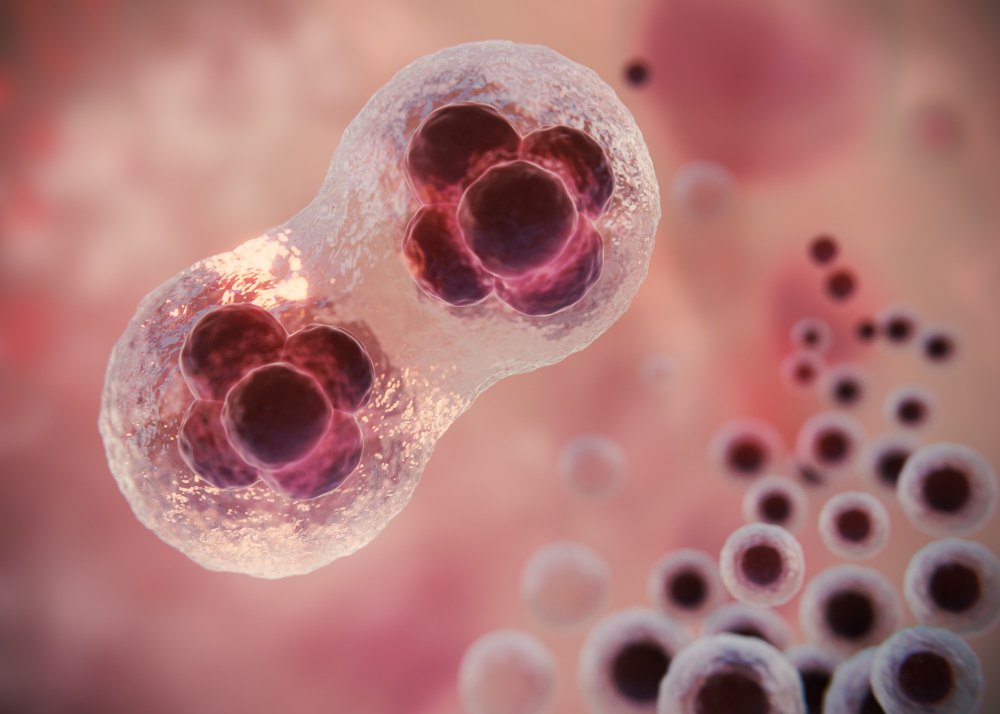
Once harvested from the umbilical cords immediately after birth, cord blood contains highly valuable hematopoietic stem cells—strong enough to do tissue restoration and cell regeneration; in order to stimulate bigger and better repairing activities—capable to produce several components of blood and the immune system. These obviously create interesting methods of treatment for scores of conditions, depending on their intensity.
The demand for cord blood stem cell therapy in Hyderabad has increased manifold owing to the burgeoning realization of its possibilities and personalized approach to medicine. Parents are now taking utmost care to harvest the stem cell from their own baby’s cord, thus ensuring perpetual security in healthcare for the child and immediate family members.
Hyderabad has an added advantage in being equipped with cryopreservation facilities accredited with OFDA technologies in some cord blood banks, making them practically foolproof means of ensuring long-time vitality of stored cells. Thus, every preventive-minded family is certain that cord blood storage is ceasing to be just an option but laying itself down as a foundation of medicine for the time to come.
Currently, cord blood stem cell therapies are being used to treat more than 80 medical conditions; those involving the immune system, blood disorders, and some cancers are a few examples. Some of the conditions that have yielded better results when treated with cord blood transplants include thalassemia, leukemia, lymphoma, and aplastic anemia. Therefore, hospitals in Hyderabad have increasingly combined this treatment into their treatment portfolio and will now see service for patients for whom conventional treatments have no chance of success.
The researchers in Hyderabad have also initiated investigations with a more long-term perspective in treatment of chronic and degenerative diseases using cord blood stem cells. The ideas are in order to see how useful cord blood stem cells could be for autism spectrum disorders, cerebral palsy, type 1 diabetes, and spinal cord injuries. Although these applications deserve ongoing clinical investigation, their initial results are quite promising and throw light into the possible transformation of regenerative medicine.
Further reasons Cord blood stem cell treatments placed together with Hyderabad include the specialized medical infrastructure of the City of Charminar. A multidisciplinary team of hematologists, pediatricians, and regenerative medicine specialists, work together to yield safe, ethical, and effective therapeutic protocols. Advanced tools for diagnosis further ensure treatment accuracy, providing tailor-made treatment to the patient’s flipside biological profile.
Still, the most important attribute supporting the argument of cord blood banking lies in an open culture of counseling for Hyderabad. Counseling by experts enlightens possibilities, applications, success rates, and limitations for parents and might well instill or widen public interest in the procedure.” The provisions of such a service promote trust in the program center and enable families to make informed decisions.
Hyderabad is also recognized for offering cost-effective cord blood stem cell therapy. By global standards in the medical industry, treatments in Hyderabad come with more excellent international standards, but they also charge much less than many world-renowned places. Being cost-effective and not compromising on the quality of treatment has brought Hyderabad into the top echelons of cutting-edge regenerative therapies.
While the science progresses and not every condition can be treated with this method, cord blood remains one of the safest and most ethically procured sources of stem cells. No risk accrues to the mother while generating cord blood, making it invaluable in the medical field.
In light of its advances in biotech and regenerative sciences, Hyderabad gives high hopes for the future in the case of cord blood therapy. This is matched by strides in healthcare, including support from institutions, rising awareness by parents, and continuous developments in sciences. These developments look very hopeful for quite a turnaround in long-term health and disease elimination for global medical advancement.
Archival of the cord blood is a commitment to medicine that has not yet come into fruition. It is more than just enhancement, and the medical infrastructure stands heavy behind the option parents choose in Hyderabad. The future is now: the end of generics and the beginning of personalized medicine, regenerative medicine, and prevention. Surely, cord blood cell therapy would be one of the sweetest things a parent could give their children–a multidimensional lease on health.