Hematopoietic Stem Cell Transplantation (HSCT) has transformed the treatment landscape for many blood-related disorders and immune system diseases. As medical science advances, the demand for HSCT Cells in Hyderabad continues to grow, making the city an important destination for stem cell research, biobanking, and transplantation support services. Organizations such as Transcell Biosciences are contributing to this evolving field through stem cell preservation, cellular platforms, and innovative biotechnology solutions.
HSCT is a specialized procedure that involves the transplantation of healthy hematopoietic stem cells to restore normal bone marrow function. These stem cells have the ability to generate red blood cells, white blood cells, and platelets, making them essential for maintaining a healthy blood and immune system. HSCT is widely used in the treatment of conditions such as leukemia, lymphoma, multiple myeloma, aplastic anemia, and certain inherited immune disorders.
Understanding HSCT Cells
HSCT cells are hematopoietic stem cells that can be obtained from various sources, including bone marrow, peripheral blood, and umbilical cord blood. Once collected and processed, these cells can be used to replace damaged or diseased bone marrow and help regenerate healthy blood-forming tissues. The success of transplantation depends on several factors, including cell quality, donor compatibility, and clinical expertise.
There are different forms of HSCT procedures:
- Autologous HSCT – uses the patient’s own stem cells.
- Allogeneic HSCT – uses stem cells from a compatible donor.
- Cord Blood HSCT – utilizes stem cells collected from umbilical cord blood.
Each approach is selected based on the patient’s medical condition and treatment requirements.
Importance of HSCT Cells in Modern Medicine
HSCT has become a vital therapeutic option for patients suffering from severe hematological and immune-related disorders. By replacing dysfunctional bone marrow with healthy stem cells, physicians can help restore normal blood production and strengthen immune function.
Some key benefits include:
- Restoration of healthy blood cell production.
- Support for patients undergoing high-dose chemotherapy.
- Treatment for blood cancers and genetic disorders.
- Improved long-term disease management outcomes.
As research continues, scientists are exploring additional applications of hematopoietic stem cells in regenerative medicine and personalized healthcare.
Transcell Biosciences and HSCT Cells in Hyderabad
Transcell Biosciences has established itself as a research-driven biotechnology organization focused on stem cell preservation, biobanking, genomics, and cellular therapy support. The company offers dedicated HSCT-related services as part of its broader commitment to advancing regenerative medicine and personalized healthcare solutions.
The organization emphasizes high-quality stem cell processing and preservation standards while supporting innovations in hematopoietic stem cell transplantation. Through its integrated biotechnology ecosystem, Transcell Biosciences contributes to the availability and advancement of HSCT Cells in Hyderabad.
Role of Cord Blood in HSCT
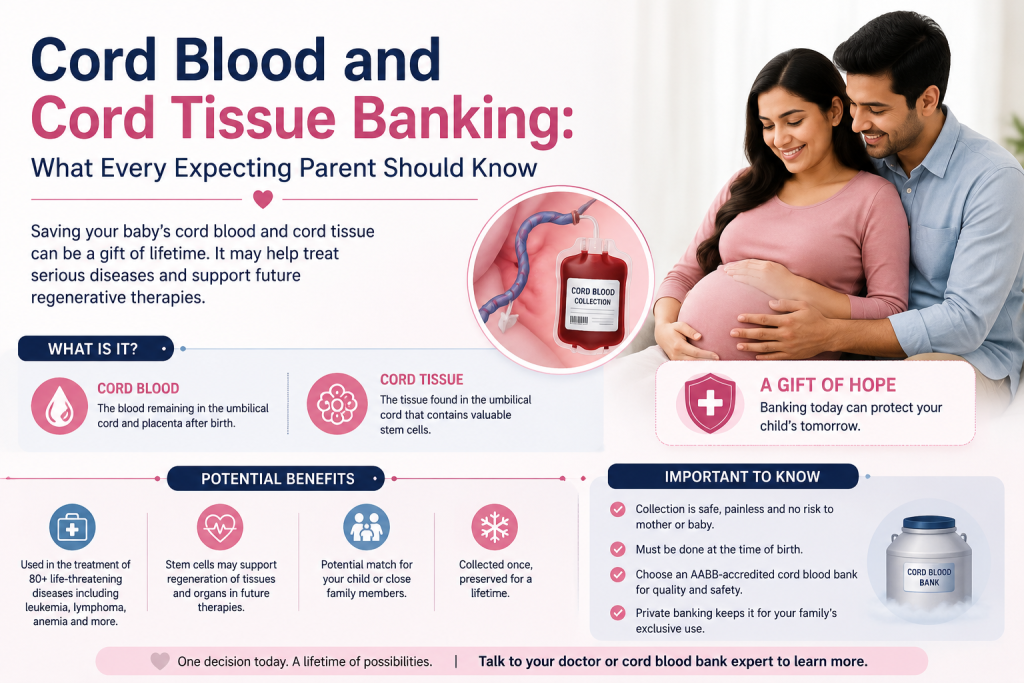
Cord blood has emerged as an important source of hematopoietic stem cells. Collected at birth, cord blood contains a rich population of stem cells that can be cryopreserved for future medical applications. These cells may serve as a valuable resource for transplantation and other therapeutic purposes.
Stem cell banking allows families to preserve these biological resources for potential future use. With advancements in cryopreservation technology, stored stem cells can remain viable for extended periods under controlled conditions.
Future of HSCT Cell Therapy
The future of HSCT is closely linked with developments in cell therapy, genomics, precision medicine, and advanced transplantation techniques. Researchers continue to investigate ways to improve transplantation outcomes, reduce complications, and expand treatment possibilities for a broader range of diseases.
Emerging technologies in stem cell processing, donor matching, and cellular engineering are expected to enhance the effectiveness of HSCT therapies in the coming years. Hyderabad’s growing biotechnology ecosystem is playing an important role in supporting these advancements.
HSCT involves the use of hematopoietic stem cells, which are specialized cells capable of developing into all types of blood cells, including red blood cells, white blood cells, and platelets. These stem cells play a critical role in maintaining a healthy immune system and supporting normal blood production throughout life. When bone marrow becomes damaged due to disease, genetic disorders, or intensive medical treatments, HSCT can help restore healthy blood-forming tissues and improve overall patient outcomes.
The growing healthcare infrastructure in Hyderabad, combined with advancements in biotechnology, has created favorable conditions for the development of stem cell-based solutions. Organizations such as Transcell Biosciences continue to support innovation in stem cell preservation, cellular research, and regenerative medicine, contributing to the advancement of HSCT-related technologies and services.
Stem cell preservation has become an important component of modern regenerative healthcare. Preserved stem cells can potentially serve as a valuable biological resource for future therapeutic applications.
Through advanced cryopreservation techniques, stem cells are stored under carefully controlled conditions to maintain their viability over extended periods. Proper storage helps protect the integrity of cellular material and supports future medical and research opportunities.
The increasing adoption of stem cell banking reflects growing awareness among families and healthcare professionals about the long-term potential of preserved cellular resources.
By emphasizing quality standards, scientific innovation, and advanced laboratory processes, Transcell Biosciences supports the growing ecosystem surrounding HSCT Cells in Hyderabad. Its commitment to biotechnology research and stem cell preservation aligns with the evolving needs of modern healthcare and regenerative medicine.
Future Prospects of HSCT Cell Therapy
The future of HSCT is closely connected with advancements in genomics, precision medicine, cellular engineering, and regenerative healthcare. Researchers continue exploring ways to improve transplantation outcomes, enhance donor compatibility, and reduce treatment-related complications.
Emerging technologies are expected to create new opportunities for personalized medicine, allowing therapies to be tailored more effectively to individual patient needs. Continued research into stem cell biology may also expand the therapeutic applications of hematopoietic stem cells beyond current treatment areas.
As scientific understanding grows, HSCT is expected to remain a cornerstone of advanced medical care and regenerative medicine worldwide.
Conclusion
The growing importance of HSCT Cells in Hyderabad reflects the increasing demand for advanced treatments for blood disorders, immune deficiencies, and other complex medical conditions. Hematopoietic Stem Cell Transplantation continues to offer hope to patients worldwide by restoring healthy bone marrow function and improving treatment outcomes. Through its focus on stem cell preservation, research, and cellular innovation, Transcell Biosciences is helping strengthen the foundation for future advancements in HSCT and regenerative medicine.