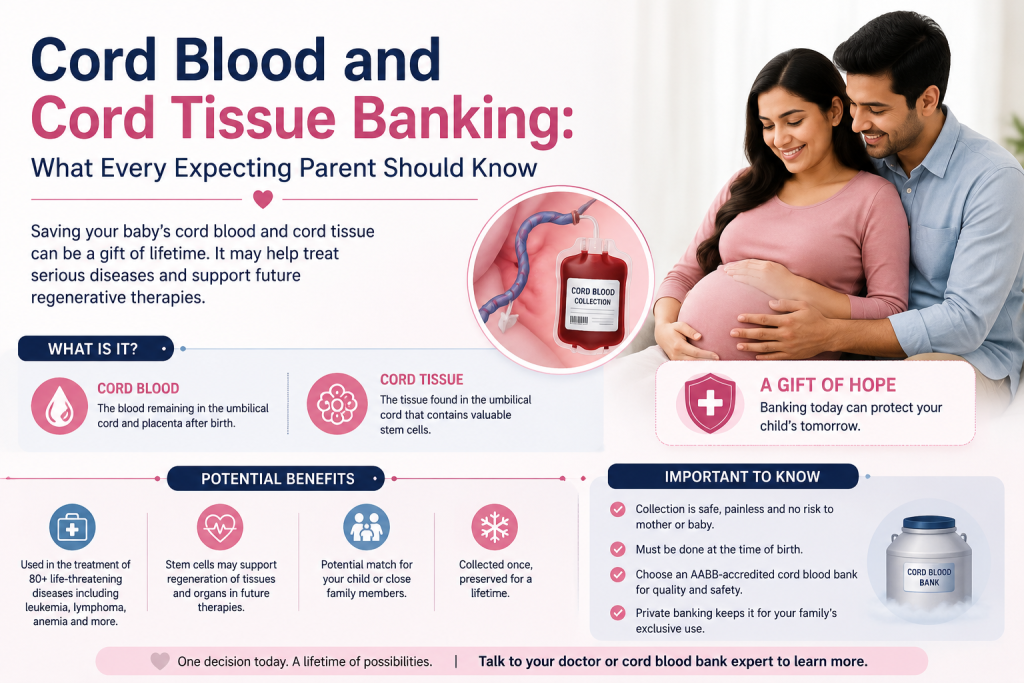
Stem cell banking has emerged as one of the most promising advancements in preventive healthcare. As medical science continues to evolve, more families are recognizing the value of preserving stem cells at birth for potential future medical use. In India, stem cell banking services have gained significant attention among expectant parents who want to secure an additional layer of biological protection for their children and family members.
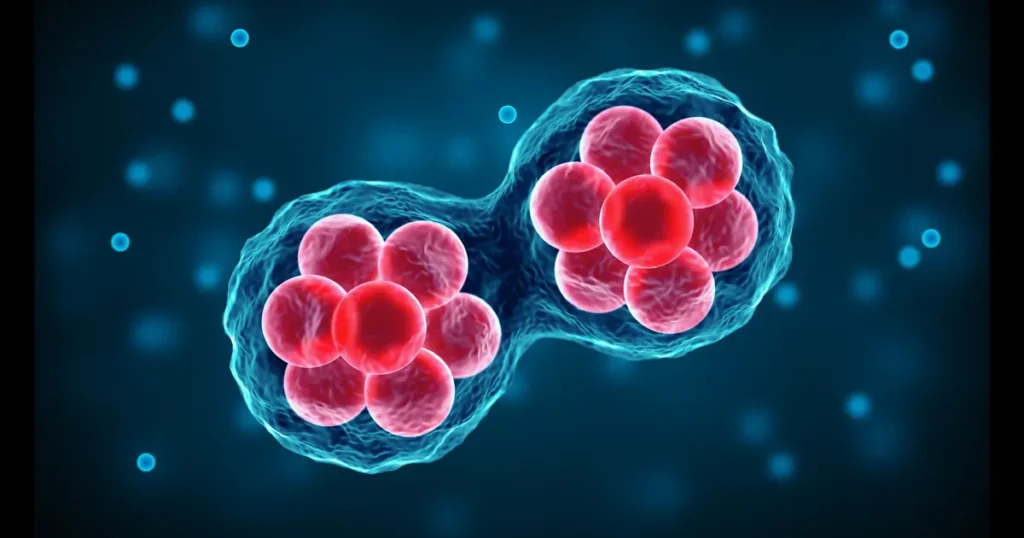
Stem cells are unique cells capable of developing into various specialized cell types within the body. These cells play a crucial role in tissue repair, regeneration, and overall healing processes. The most commonly banked stem cells are collected from umbilical cord blood and cord tissue immediately after childbirth, making the collection process safe, painless, and non-invasive.
Understanding Stem Cell Banking
Stem cell banking is the process of collecting, testing, processing, and cryopreserving stem cells for future therapeutic applications. The stem cells collected from a newborn’s umbilical cord blood contain valuable hematopoietic stem cells, while cord tissue contains mesenchymal stem cells, both of which are being extensively studied and utilized in various medical treatments.
The preserved stem cells are stored in highly controlled laboratory environments using advanced cryogenic technology. These cells remain viable for extended periods, allowing families to access them if needed in the future.
Why Stem Cell Banking is Growing in India
The demand for stem cell banking services in India has increased significantly due to growing awareness about regenerative medicine and advancements in stem cell research. Parents today are becoming more proactive about long-term healthcare planning and are exploring innovative options that may benefit future generations.
Several factors contribute to the rising popularity of stem cell banking:
- Increased awareness about stem cell therapies
- Advancements in medical research and regenerative medicine
- Growing focus on preventive healthcare
- Improved accessibility to professional stem cell banking services
- Enhanced storage technologies and quality standards
As healthcare infrastructure continues to develop, more families are considering stem cell preservation as an important investment in future health security.
Benefits of Preserving Stem Cells
One of the primary advantages of stem cell banking is the availability of a genetically related biological resource that may be used in specific medical treatments. Stem cells have been used in the treatment of various blood-related disorders and continue to be researched for their potential applications in regenerative medicine.
Key benefits include:
Immediate Availability
Stored stem cells can be accessed when required without the need to search for matching donors, potentially reducing treatment delays.
Genetic Compatibility
Cord blood stem cells have a higher likelihood of compatibility within family members, which may be beneficial in certain medical situations.
Non-Invasive Collection
The collection process occurs after delivery and does not pose any risk to the mother or newborn.
Future Medical Potential
Ongoing research continues to explore new therapeutic applications for stem cells in various areas of medicine, making preservation a forward-looking healthcare decision.
The Stem Cell Banking Process
The stem cell banking process begins before delivery when parents enroll with a professional stem cell banking provider. A collection kit is provided and made available at the time of childbirth.
Following delivery, trained healthcare professionals collect the umbilical cord blood and, when applicable, cord tissue. The samples are then transported under controlled conditions to specialized laboratories for testing, processing, and long-term cryogenic storage.
Strict quality control measures are implemented throughout the process to ensure sample integrity and preservation standards.
Choosing a Reliable Stem Cell Banking Partner
Selecting the right stem cell banking provider is an important decision. Families should evaluate factors such as laboratory infrastructure, storage technology, quality certifications, scientific expertise, and long-term commitment to sample preservation.
Transcell Biosciences is recognized for its focus on advanced stem cell banking solutions, quality-driven processing protocols, and secure cryopreservation practices. With a commitment to scientific excellence and customer support, the organization strives to provide reliable stem cell preservation services for families seeking long-term healthcare preparedness.
The Future of Stem Cell Banking
The field of regenerative medicine continues to evolve rapidly, creating new possibilities for stem cell applications. Researchers worldwide are exploring innovative therapies that may utilize stem cells for tissue regeneration, disease management, and personalized medical treatments.
As scientific discoveries progress, the value of preserved stem cells may continue to expand, reinforcing the importance of early stem cell preservation decisions.
Stem cell banking is the process of collecting, processing, testing, and cryopreserving stem cells for potential future use. Once collected, the stem cells are transported to specialized laboratories where they undergo rigorous quality testing before being stored in ultra-low temperature cryogenic facilities.
The goal of stem cell banking is to ensure that these valuable cells remain viable and available if they are ever required for therapeutic purposes in the future.
Professional stem cell banking providers follow strict quality standards to maintain sample integrity throughout the storage period. Advanced cryopreservation techniques help preserve the cells for decades while maintaining their biological properties.
When selecting a stem cell banking partner, reliability, scientific expertise, and quality standards are essential considerations. Transcell Biosciences is dedicated to providing advanced stem cell banking services backed by modern laboratory infrastructure and stringent quality control processes.
Conclusion
Stem cell banking services in India are becoming an increasingly important component of modern healthcare planning. By preserving stem cells at birth, families gain access to a valuable biological resource that may support future medical needs. With advancements in research, technology, and regenerative medicine, stem cell banking represents a proactive approach to safeguarding future health opportunities.
For parents seeking dependable stem cell preservation solutions, Transcell Biosciences offers professional stem cell banking services designed to support long-term biological storage and future healthcare readiness.